For a board operating in a humid or marine environment, the problem is not only water reaching the circuit directly. Salt deposits, condensation, temperature cycling and vibration together affect long-term reliability. Protection should therefore be treated as a broader system design task than simply spraying varnish onto the board.
01Turn the environment into measurable requirements
Where will the board operate: in an enclosed technical space, outdoors, or in an area that is regularly washed down? In addition to the ambient temperature, the temperature inside the device and any condensation that may form during cooling are also considered. Constant high humidity and repeated wetting and drying are not the same test.
The power supply, cable entries, mounting orientation and maintenance access must be defined at the outset. A general term such as “marine grade” does not say which environmental conditions will be met. The required product and industry standards are determined separately according to the application; no coating material on its own ensures the conformity of the whole system.
02Board, enclosure and connectors are protected together
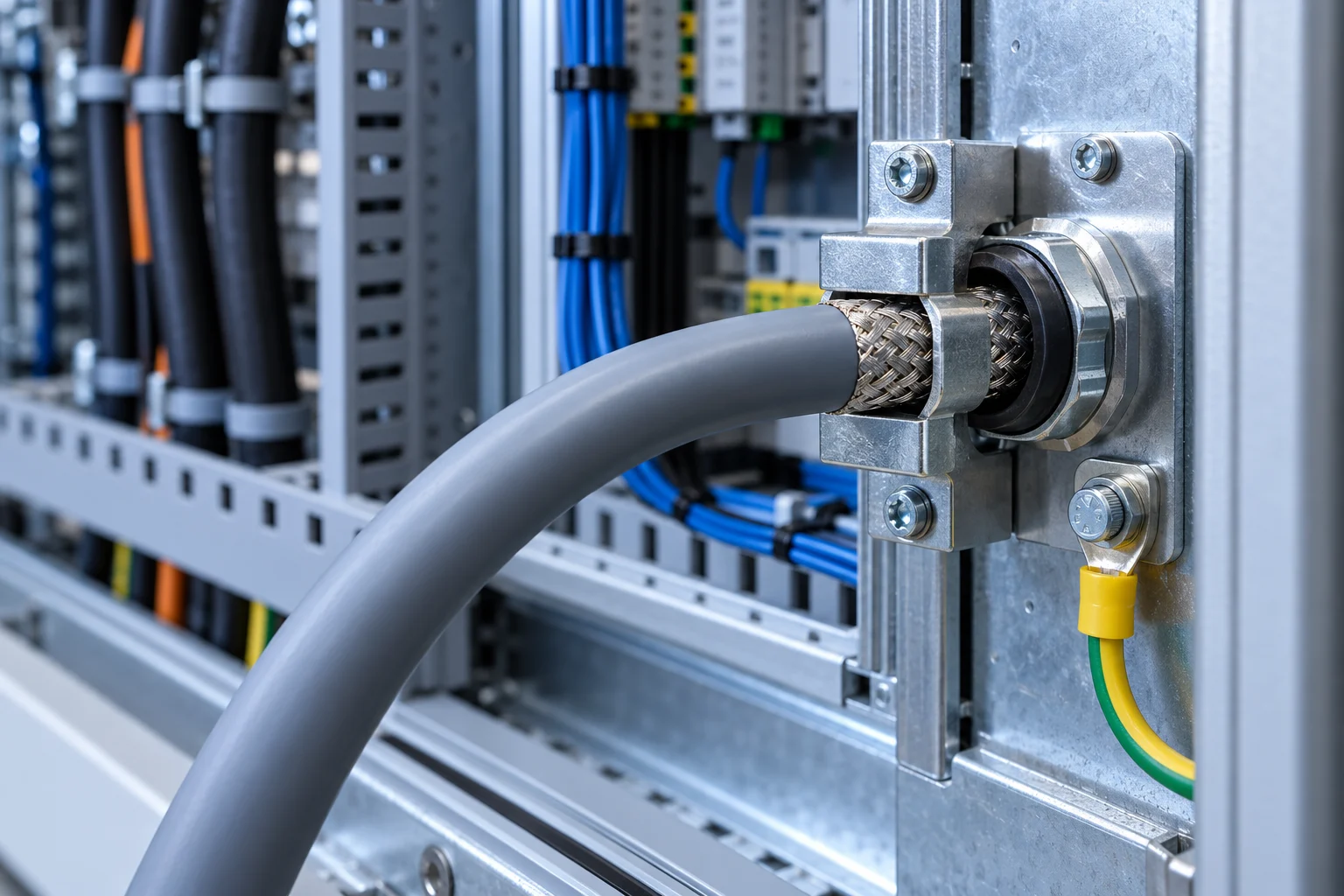
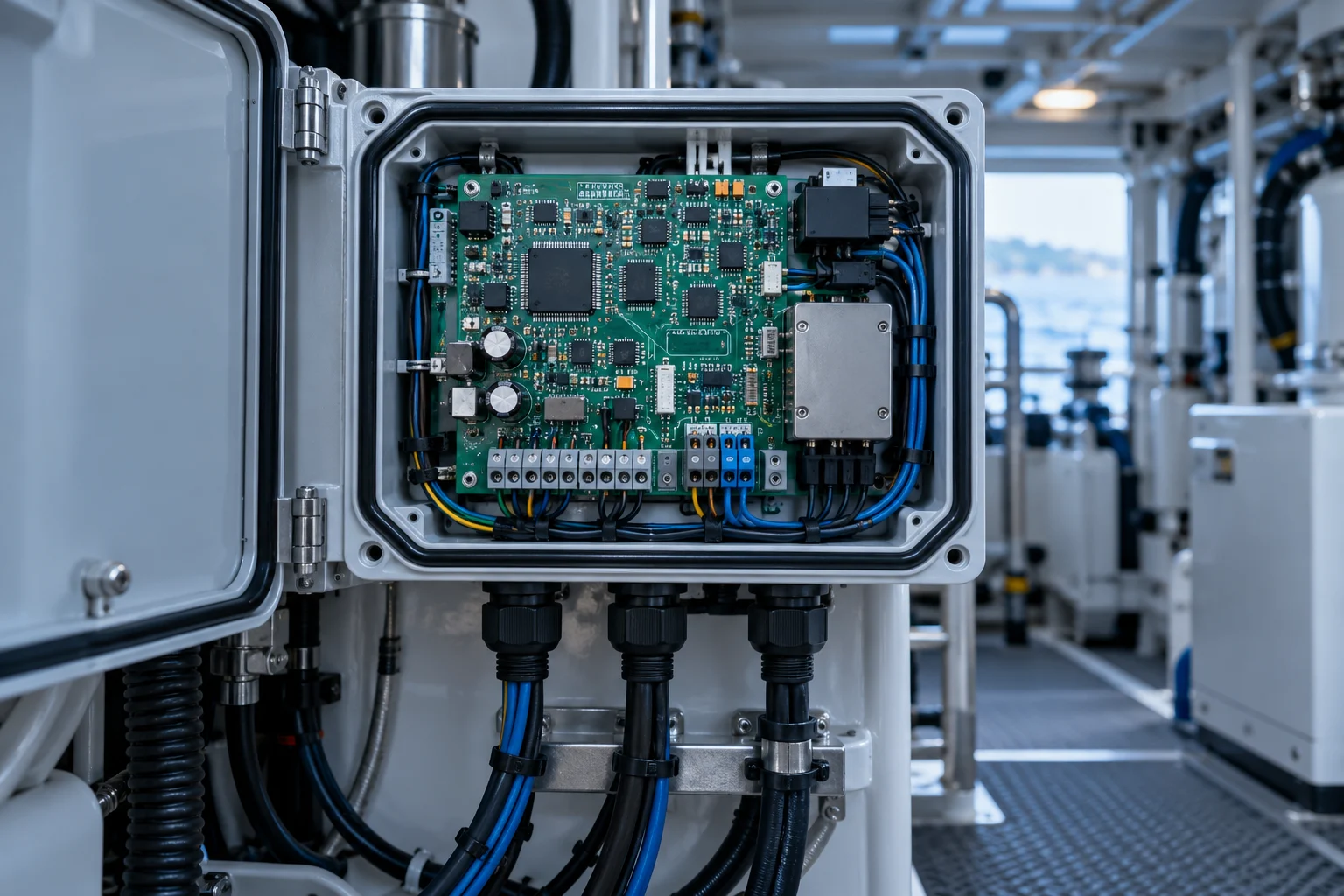
A suitable enclosure, seals and cable glands form the first layer of defence. Water carried along a cable, improper installation or an open service connection can weaken the enclosure's protection. Air exchange and pressure changes inside the enclosure are also taken into account. Sealing and condensation management are not independent of each other.
When selecting a connector, the contact material, sealing, locking and mechanical strength are examined. A well-coated board does not protect the contact resistance of an unprotected connector. Corrosion at junctions of dissimilar metals and the long-term condition of the chassis connection are also included in the design review.
03Cleaning and masking before coating
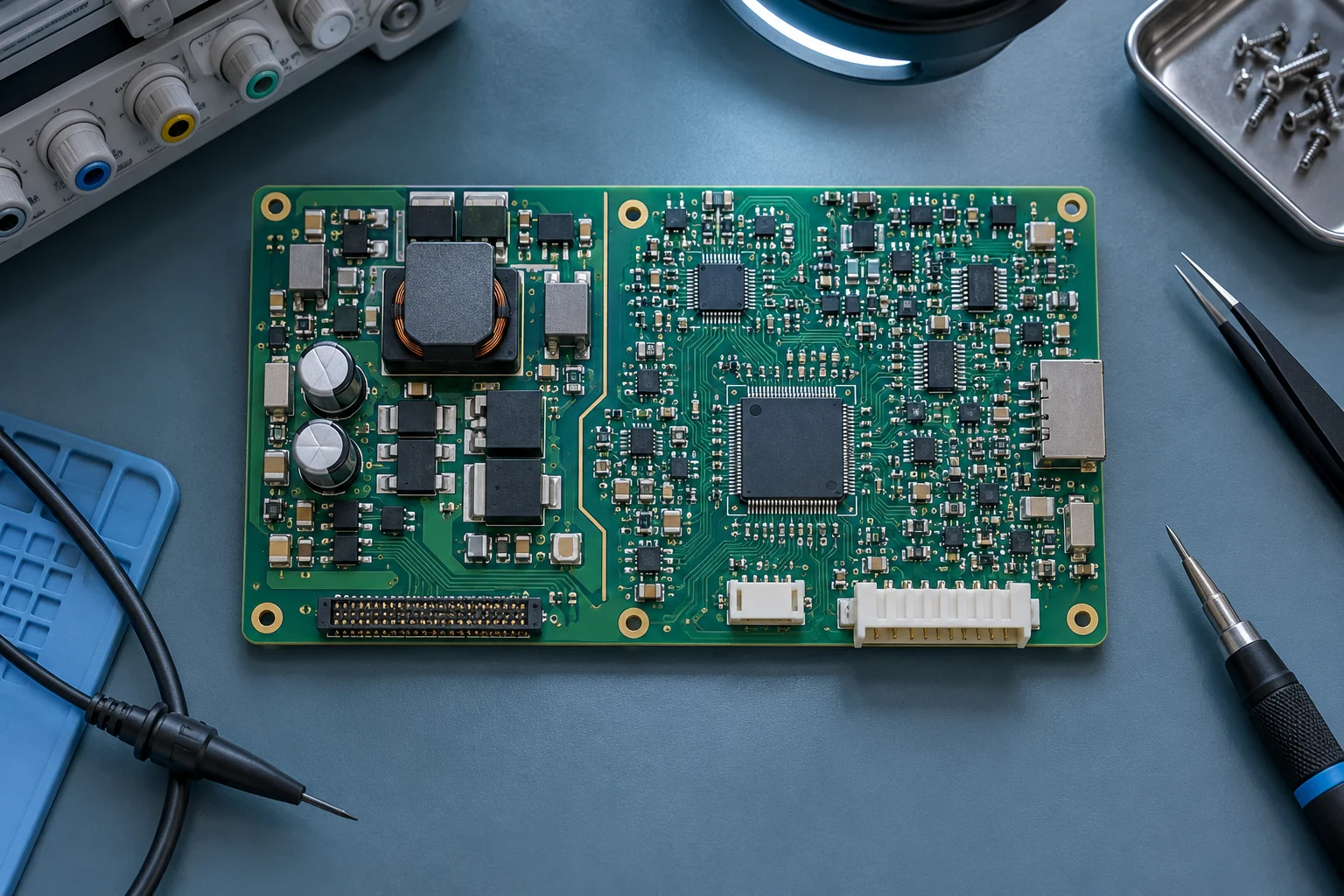
When chosen appropriately, a conformal coating helps protect a board from environmental effects. However, dirt or ionic residue left on the surface can continue to cause problems beneath the coating. The cleaning method must be compatible with the components and materials used, and dryness and surface preparation must be verified.
Connector contacts, test points, adjustment components and sensor surfaces that must not be coated are masked. Application thickness, curing conditions and repairability are managed according to the product's technical data sheet. A thicker application is not always better; it can lead to production defects such as voids, cracks or incomplete curing.
| Design layer | Item to check |
|---|---|
| Enclosure | Water paths, seals and cable entries |
| PCB | Dirt-trapping areas, insulation and protection |
| Coating | Compatibility, surface preparation, masking and curing |
| Connector | Contact material, sealing and locking |
| Maintenance | Disassembly, recoating and test access |
04Do not consider heat and vibration separately from humidity
When a board is placed in a sealed enclosure, its heat dissipation conditions change. The temperature around power components and electrolytic capacitors can affect component lifetime. The heat transfer path and use of the enclosure surface are examined. Because the choice of potting or coating can change thermal and mechanical behaviour, the design is reassessed.
Under vibration, heavy components can place stress on solder joints and connection points. Mechanical support, board mounting and the transfer of cable pull forces are planned. Drawing an electronically correct circuit alone is not sufficient for physical robustness.
05How is a verification scenario set up?
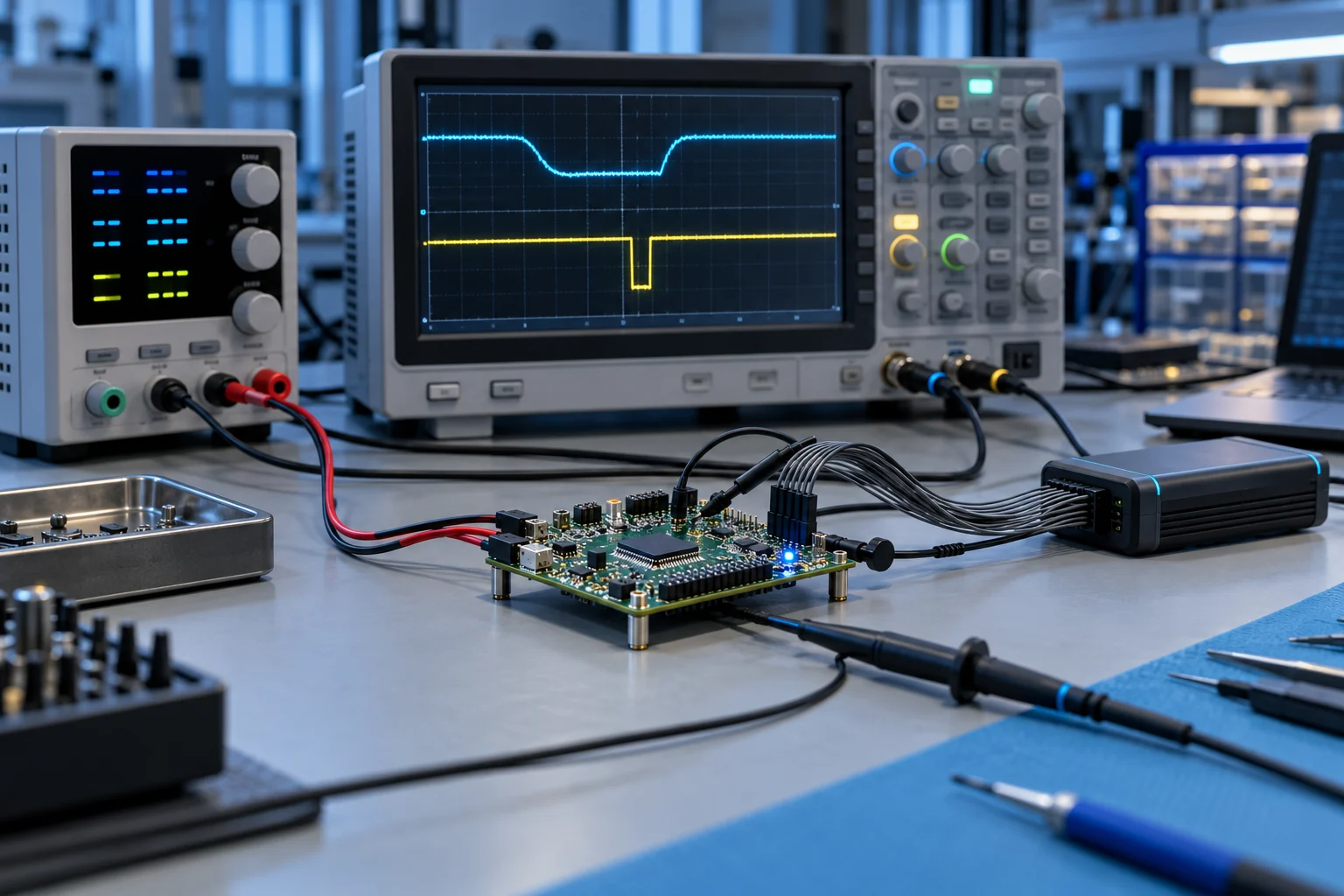
As an example, consider a control board installed in a machine compartment that heats up during the day and cools down at night. The test plan should cover not only operation at a constant temperature but also start-up after a temperature change, measurement stability in humid conditions and the condition of the connectors. Test levels are determined from the actual requirements and the appropriate standard; no universal duration or temperature recipe is given here.
Leakage, measurement drift, communication stability and visual condition are recorded before and after testing. Corrosion that has begun on a board that is still functioning may still call for a design improvement. The number of samples and the production process they represent must be clearly stated in the report.
06Service and production traceability
The coating batch used, the application method and the inspection result should be recorded. How the coating will be removed and reapplied after a repair is defined. A successful design is not a board that works on day one in a dry laboratory; it is a device adapted to its environmental conditions together with its production and maintenance processes.
07Example verification scenario
Suppose a field prototype is still working after environmental testing. The acceptance review assesses not only whether communication continues but also connector contacts, coating integrity and measurement drift. It is verified that the cleaning and curing process used in production is represented by the tested sample. If the same circuit is produced with a different coating or enclosure, earlier results are not carried over without explanation. By including the material and process version of the sample, the test record makes it possible to compare the effect of later changes.
Technical references and further reading
For product- and version-specific values, the relevant manufacturer's current documentation should be taken as the reference. The calculations and scenarios above are engineering examples for illustrative purposes.